
Traveling with Rob in La Belle France
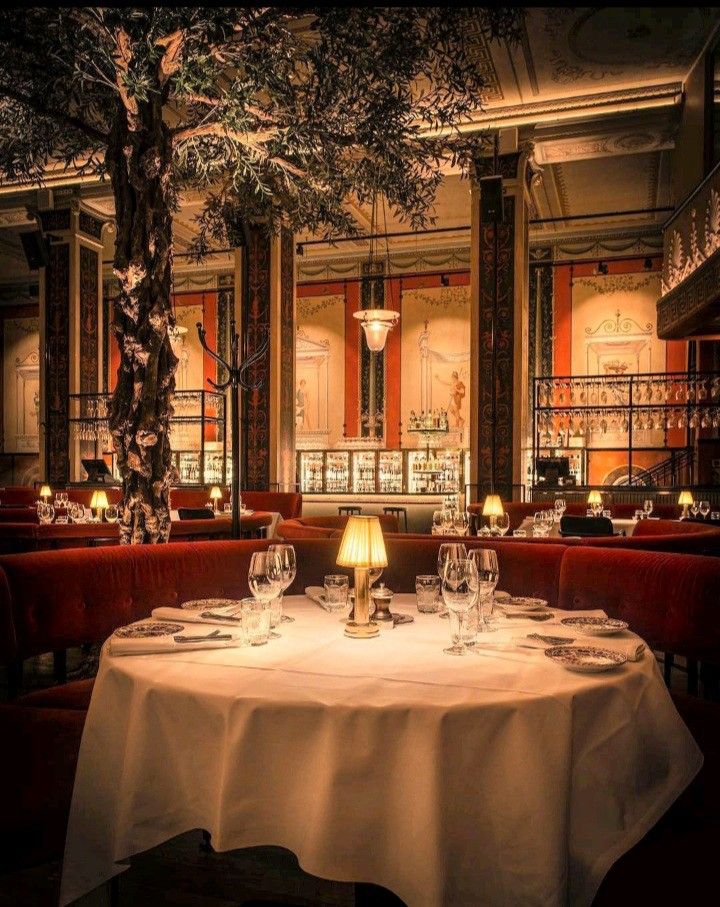
We arrive in the floral dining room around nine, which, by French standards, is not late. The tablecloths, napkins, curtains, and tapestry are all printed with boldly colored oversized spring flowers. The small bouquets of real flowers on the tables are lost in this overpowering display. A tall, young waiter with a sad look in his dark eyes seats us at a corner table with velvety green benches. Only two other tables are occupied. One with two formally dressed middle-aged couples from Belgium, overweight and red-faced, talking loudly. On the other table are two elderly couples from Britain, sprightly, thin, and wrinkled, engaged in a more subdued conversation. With a chuckle, I wonder if they have also been offered the bridal chamber first.
Rob decides to be adventurous and orders snails for his entrée. That would be my last choice. Only under the ultimate threat of starvation would I try them. But for Rob’s sake I make a special effort to hide my feelings of disgust. I order salmon mousse. Both Rob and I are pleased by our first choices.
“Snails taste a bit like squid,” Rob informs me.
Animated by a second glass of delicious house wine, we try to select the main course. We both have developed a hearty appetite.
“Rognons de boeuf seems like a good choice to me,” I tell Rob, who is seeking my advice.
Rognons, I think, means little round pieces, and boeuf is beef. While studying the menu, I realized that my language skills are still very limited when deciphering French cuisine’s specialties. At least I know that boeuf is beef. A safe choice, I think.
We are on our third glass of wine and in animated spirits when the serious-looking young waiter quietly serves us our main course. I notice a faintly sour smell coming from my plate, and those little round pieces in the whitish sauce are not pieces of beef.
“French beef looks very different,” I say jokingly to Rob, discreetly inspecting a small round specimen on my fork.
“Mom, this is not beef; these are the kidneys you ordered,” Rob says with a disgusted look on his face.
“I hate kidneys! ” I had not seen kidneys since my early childhood when my father sometimes used to eat them.
I am immediately overcome with the same strong feelings of nausea that this dish used to provoke in me. Trying to keep control, I quickly push the plate aside. Instantly, the young waiter arrives at our table.
“Is something wrong?” he asks in perfect English, pointing to my plate.
I am perplexed. He had stood there silently waiting for our orders when I explained to Rob that ‘rognons de boeuf’ mean little round pieces of beef. I had assumed that he did not speak English. He could have helped us with our selection, but I will not blame him.
“Sorry, we made a mistake ordering this dish. We both don’t like kidneys,” I say.
The young man’s face lights up in a sympathetic smile for the first time this evening, and he answers, “I don’t like them either. I’ll take your plates back, and you can order something else,” he offers. Maybe I can convince my father not to charge you extra for these, ” he adds. But I have my doubts. I say firmly, brushing aside
Rob’s protests. “This is my mistake, and I’ll pay.”
“Anyway,” the young waiter briefly interrupts, “I’ll bring you another glass of wine, which is on me, and I ‘ll help you with the selection on the menu when you are ready.”
Having lost our appetite for meat this evening, we chose a local seafood dish, which turned out to be tasty. “Where did you learn English so well?” I asked the young man who seemed to like talking to us.
“In Florida,” he answers. “I was born and raised there by my Francophone parents. After their divorce two years ago, my father bought this place and moved back to France.”
“You must love it here!” I exclaim. Impressions of the beautiful countryside and castles are still vivid in my memory.
“Not at all! I hate it here!” he says emphatically, looking sad again. “I want to go back home to the States.”
We are the only guests left, lingering over a delicious dessert of creme brulé. The young man takes the opportunity to join us again. In an animated conversation, he and Rob, both natives of North America, amicably exchange their thoughts and impressions of their life in Europe. I sit back, relaxing, sipping my wine, enjoying the moment and the transient friendly relationship with this young man. Before he can say goodbye, he is abruptly called to the kitchen by his rude father. I am glad he does not take after him.
We have a wonderful sleep under those heavy, warm quilts, snugly protecting us from the frosty night. The crisp, chilly air has invaded our room. It is early morning. We have to return our little car to the dealer in Tours before lunch to catch an afternoon train to Paris for the wedding.
Shivering in my light spring outfit, waiting for Rob to finish shaving, I can hardly wait for breakfast. The prospect of steaming hot coffee and warm croissants with melted butter is already warming me up.
“Go down and start breakfast without me. I’ll join you in a while,” Rob shouts from the washroom. He is not a big breakfast eater.
Today I have a ravenous appetite and decide to have a substantial meal. I almost fall down those famous spiral stairs in my haste to get to the dining room. Everything is quiet there. No one in sight. After my third “hello” tentatively called into different directions, the proprietor shuffles in. He is well protected against the cold by wearing warm fleece slippers and a beautifully knit heavy wool sweater, which must have cost a fortune. It looks very new. Seating myself on a small round table close to the entrance, I eagerly ask for the breakfast menu.
“Breakfast is not included!” he answers curtly, avoiding my glance.
Although a continental breakfast is almost always included in the price of an overnight stay in France, I am so starved and in need of coffee that I am ready to pay extra.
“I’ll pay,” I reply quickly.
“Oh, no!” he says with emphasis, turning to leave. “We are not serving breakfast today.”
I am shocked. “O.K.,” I plead, trying to hide my disappointment, “you can serve me at least a cup of coffee! ” “It will take a while,” he replies, reluctantly shuffling into the nearby kitchen.
The door is left ajar, and I can hear him putter around. Obviously, there hasn’t been any coffee brewed yet. Suddenly, I hear the shatter of glass, followed immediately by a loud expletive, “Merde.” In a flash, the patron dashes out of the kitchen door with a brown liquid dripping from the front of his precious sweater. After a few moments, he returns, heading straight back to the kitchen. This time he is wearing an apron and an old flannel shirt. I hear some more clanking noises, and eventually, he serves me, with a stony face, a cup of steaming hot, black coffee. He does not say a word, and I refrain from apologizing for his mishap. It would have been hypocritical, to say the least. To his credit, the coffee tastes wonderfully strong, and I enjoy every sip.
To his credit, the coffee tastes wonderfully strong and I enjoy every sip.
 This Miraculous Life